NeuroZoom Review: Scam or Legit? Ingredients, Price & Side Effects (2026)
Affiliate Disclosure: This post contains an affiliate link. If you purchase through it, we may earn a commission at no extra cost to you. This does not influence our rating. See our Affiliate Disclosure page.
Medical disclaimer: This article is for informational purposes only and is not medical advice. Individual results vary. Consult a healthcare professional before starting any supplement, especially if you take other medications or have a liver, kidney, or heart condition. Statements have not been evaluated by the FDA. This product is not intended to diagnose, treat, cure, or prevent any disease.
Memory & cognitive health note: NeuroZoom is a dietary supplement, not a treatment, cure, or preventive measure for Alzheimer’s disease, dementia, or any other diagnosed cognitive or neurological condition. Some of the vendor’s own marketing materials for this product name Alzheimer’s disease directly and use fear-based framing (see “Is It Legit or a Scam?” below). We do not repeat those claims as fact anywhere in this review. If you or someone you care for is experiencing memory loss, confusion, or cognitive decline beyond normal age-related changes, see a doctor promptly for a proper evaluation rather than relying on a supplement.
Quick Verdict
| Product | NeuroZoom |
| Category | Capsule dietary supplement, marketed as a “35-in-1” memory and brain-health formula |
| Our Rating | 2.8/10, a real, ClickBank-sold supplement dragged down by a fully undisclosed 35-ingredient proprietary blend (zero milligram amounts published for any ingredient) and, more seriously, by affiliate marketing materials that name Alzheimer’s disease directly, use wildly inconsistent fear-based percentage claims, and lean on an unverifiable “boost brain power by 137%” line. The consumer-facing sales page itself is comparatively restrained, but the vendor’s own affiliate swipe copy, which affiliates are handed to run as ads and emails, is some of the more aggressive marketing we’ve reviewed in this category. |
| Best For | We can’t recommend this one. If you still want to try it, treat every disease-related claim below as vendor marketing, not medical fact, and buy only through the official ClickBank checkout so the refund window applies. |
What Is NeuroZoom?
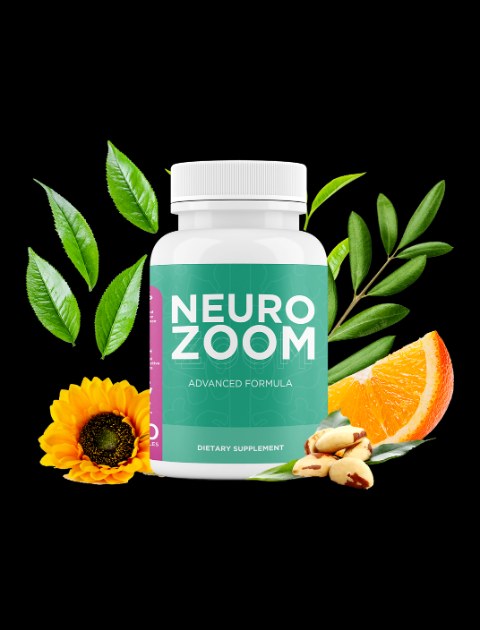
NeuroZoom is a capsule dietary supplement marketed as a “35-in-1 memory essential formula” designed to support memory, focus, and general mental acuity. It’s sold exclusively through ClickBank rather than in retail stores or on marketplaces like Amazon, a distribution model common to this product category, and one worth knowing about since it means there’s no in-store return desk; refunds run entirely through ClickBank’s order-support system and the vendor’s own 60-day policy.
The product is promoted by a self-described “ClickBank Diamond” vendor team on its own affiliate page, and support inquiries route to support@tryneurozoom.com, with affiliate management handled through affiliates@mediapulseltd.com, details worth knowing for anyone trying to identify who is actually behind the brand.
NeuroZoom is positioned as an everyday brain-health supplement for adults who want general memory and focus support, not as a treatment for any diagnosed memory or cognitive disorder.
How Does It Work?
According to the official sales page, NeuroZoom combines 35 vitamins, minerals, amino acids, and herbal extracts that the vendor says work together to “address multiple factors necessary to support the normal functioning of memory and concentration.” A notable, and somewhat unusual, thread running through the sales page is a framing built around counteracting dietary fluoride: several of the headline ingredients (Selenium, Vitamin E, Vitamin C, Riboflavin) are each individually described on the official page as working “against fluoride in the brain” or helping the brain “protect itself against fluoride toxicity.”
We want to flag this clearly: the idea that ordinary dietary fluoride exposure (from tap water or toothpaste, at the levels most people encounter) causes meaningful brain toxicity that a vitamin supplement needs to counteract is not an established, mainstream position in nutrition science. It’s a framing more commonly seen in alternative-health marketing than in peer-reviewed nutrition guidance. The vendor’s own “Scientific References” list includes some general fluoride-and-animal-study citations, but nothing that validates the specific “this supplement protects your brain from fluoride” narrative built around it. Treat this part of the pitch as marketing framing, not an established mechanism.
Beyond the fluoride narrative, the formula also includes ingredients tied to more conventional (if still preliminary) cognitive-support research, choline, DMAE, and Huperzine A for acetylcholine-related pathways; Bacopa monnieri, a genuinely well-studied memory herb; and DHA and phosphatidylserine, both linked to general brain-health support in the nutrition literature. See the ingredient table below for how the evidence actually stacks up, ingredient by ingredient.
Ingredients Breakdown
NeuroZoom lists 35 ingredients as part of its “35-in-1” formula, but at no point on the official sales page is a supplement facts panel with milligram amounts shown for any of them. That’s a bigger transparency gap than most single-ingredient-focused competitors in this category, where at least a serving size and full ingredient list is typically shown even when individual doses aren’t broken out. Below is a representative sample of the named ingredients and how the independent evidence for each holds up, not the vendor’s framing.
| Ingredient | Claimed Benefit (per manufacturer) | Evidence Grade |
|---|---|---|
| Bacopa monnieri | Supports memory and concentration by inhibiting the enzyme that breaks down acetylcholine | B, real published meta-analytic evidence for improved memory measures in randomized controlled trials |
| DHA (omega-3) | General brain-health and long-term cognitive support | B, reasonably well-supported role for omega-3s in brain structure and general cognitive health, though effect sizes from supplementation alone are modest |
| Phosphatidylserine | Supports memory function, particularly age-related decline | B, some positive human trials in older adults with age-associated memory impairment, though study quality varies |
| Choline | Supports acetylcholine production and long-term memory | C, essential nutrient with a real biological role, but supplementation benefits are clearest in people who are deficient, not universally in healthy adults |
| Huperzine A | Inhibits acetylcholinesterase to preserve acetylcholine levels | C, some clinical evidence (mostly from China) in cognitively impaired populations; less evidence for healthy adults, and it acts on the same pathway as certain prescription dementia drugs, which is a reason to be cautious rather than reassured |
| Green tea extract | Antioxidant support for neuronal function | C, modest human evidence for alertness/attention, largely tied to its caffeine and EGCG content rather than dedicated memory effects |
| DMAE | Supports acetylcholine production | D, largely anecdotal; robust human cognitive trials are lacking |
| GABA | Supports information processing and learning | D, oral GABA does not cross the blood-brain barrier well in most research, making a direct cognitive effect from a capsule biologically questionable |
| Selenium, Vitamin E, Vitamin C, Riboflavin (“anti-fluoride” framing) | Protect the brain against fluoride toxicity | D for this specific claim, real nutrients with real general roles, but no mainstream evidence supports the vendor’s specific “protects against everyday fluoride exposure” framing |
| Boron, Zinc, Molybdenum, Vanadyl Sulphate, Manganese, Iron, Calcium, Magnesium, and other trace minerals (bundled in the remaining 35) | “Linked to supporting crucial cognitive functions” | D, essential trace nutrients, but no dedicated evidence that supplementing them (absent a diagnosed deficiency) meaningfully improves memory in healthy adults |
Because none of the 35 ingredients have a disclosed dose, it’s impossible to know whether any of the better-evidenced ones (Bacopa, DHA, phosphatidylserine) are present in amounts anywhere close to what was used in the studies behind their B-grade evidence above.
Pros and Cons
Pros
- Contains several ingredients (Bacopa monnieri, DHA, phosphatidylserine) that have genuine, published human evidence for memory and cognitive support
- Sold through ClickBank, which provides an order-support and refund-enforcement layer independent of the vendor itself
- Vendor states the product is manufactured in an FDA-registered and inspected facility and is non-GMO, vegan, and gluten-free
- A 60-day money-back guarantee is offered, which is a reasonable window relative to many supplements in this category
Cons
- The vendor’s own affiliate marketing materials, the email swipes and ad copy handed directly to affiliates to run as promotions, repeatedly name Alzheimer’s disease and use fear-based “complete memory shutdown” framing, including an “EMOTIONAL, Complete Memory Shutdown” video lead and email subject lines like “People With Early Alzheimer’s Do This Bathroom Mistake.” We are not asserting any of these claims are true; we’re reporting that the vendor itself produced and distributes this messaging for use in advertising the product
- Those same affiliate materials cite wildly inconsistent, unverifiable percentage claims for the same basic pitch, one email claims a bathroom-drawer substance “speeds up Alzheimer’s by 200%,” another claims popular toothpastes “raise Alzheimer’s risk by 147%,” a native-ad headline claims “87%,” and a separate email claims a brain nutrient can “boost their brain power by 137%.” None of these figures are sourced to any study, and the fact that three different Alzheimer’s-risk percentages appear across the vendor’s own materials for essentially the same claim is itself a red flag about how these numbers were generated
- All 35 ingredients are listed with zero disclosed milligram amounts anywhere on the official sales page, a bigger transparency gap than most competing products in this category, which at minimum disclose a full label even when individual ingredient doses aren’t broken out
- Several headline ingredients are marketed around protecting the brain from “fluoride toxicity,” a framing not supported by mainstream nutrition science at ordinary dietary fluoride exposure levels
- Huperzine A acts on the same biological pathway as certain prescription dementia medications, which raises a real interaction concern for anyone on those medications, yet this isn’t flagged prominently on the sales page
- The refund window (60 days) is shorter than some competitors in this exact category that offer 180- or 365-day guarantees
- The order page uses aggressive urgency tactics (“this is the very last time you’ll ever be able to get NeuroZoom,” a “5 minute” countdown for a one-time offer) that are standard direct-response sales tactics rather than reflections of genuine, limited supply
Pricing & Where to Buy
| Package | Price | Supply |
|---|---|---|
| Basic Pack (Economy) | $79/bottle, $158 total, plus a small shipping fee | 2-month supply |
| Popular Pack (Most Popular) | $59/bottle, $177 total, free US shipping, includes 2 bonus eBooks | 3-month supply |
| Ultimate Discount Pack (Best Value) | $49/bottle, $294 total, free US shipping, includes 2 bonus eBooks | 6-month supply |
All orders are backed by the vendor’s stated 60-day, no-questions-asked money-back guarantee. Prices, package sizes, and any included bonuses are set by the vendor and can change without notice. Confirm the current price and terms on the official checkout page before buying, and buy only through the official link so the ClickBank guarantee applies.
Is It Legit or a Scam?
NeuroZoom is a real, legitimately sold product: it’s processed through ClickBank (a real payment processor with its own refund-enforcement system), ships an actual physical capsule product, and is run by a vendor team that describes itself on its affiliate page as a “ClickBank Diamond” team with “20 years of experience launching winning offers.” That’s a meaningfully different situation from an outright scam that takes payment and disappears.
That said, go into this with realistic expectations and a clear eye on how it’s marketed. The consumer-facing sales page we reviewed is comparatively restrained, it doesn’t itself claim to treat Alzheimer’s or use the most aggressive percentage claims. But the vendor’s own affiliate resource page (a page intended for people who will run paid ads and email campaigns promoting the product, not for consumers) tells a very different story. It offers affiliates ready-made “VSL leads” including one titled “EMOTIONAL, Complete Memory Shutdown” and another, “EMOTIONAL, My Wife Put Me In A Memory Hospital,” along with email swipe copy carrying subject lines like “People With Early Alzheimer’s Do This Bathroom Mistake” and “These Popular Toothpastes Raise Alzheimers’ Risk Reviewed by the RovunoReviews Research Team
We want to be precise about what this means: we are not claiming NeuroZoom causes, prevents, treats, or reverses Alzheimer’s disease, and neither should you take the 137% figure, or any of the Alzheimer’s-risk percentages above, as verified facts. We’re reporting that these are real phrases and claims that the vendor itself wrote and actively distributes to affiliates as marketing material, which tells you something important about how this specific product tends to get marketed to consumers by the affiliates who promote it, even if the version of the sales page we personally landed on was milder. If you see ads or emails promoting NeuroZoom using disease-cure language, treat that as a red flag regardless of who is running the ad.
The “35-in-1” kitchen-sink formula with zero disclosed dosages is also a legitimate trust concern independent of the marketing: it’s not possible for a buyer, or for us, to verify that any of the better-studied ingredients are present in clinically meaningful amounts. Combined with the fear-based affiliate marketing library, we consider this one of the more aggressively promoted products we’ve reviewed in the memory and brain-health category, hence the low score, despite it being a real, deliverable product with a working refund policy.
Frequently Asked Questions
Q: Can NeuroZoom treat, cure, or prevent Alzheimer’s disease or dementia? A: No. NeuroZoom is a dietary supplement, not a treatment, cure, or preventive measure for Alzheimer’s disease, dementia, or any other diagnosed cognitive or neurological condition. Some of the vendor’s own affiliate marketing materials name Alzheimer’s disease directly and use fear-based framing. We do not repeat or endorse those claims. If you or a loved one is experiencing memory loss, confusion, or cognitive decline beyond normal age-related changes, see a doctor promptly for a proper evaluation.
Q: Does the “boost brain power by 137%” claim mean anything? A: Not that we could verify. “Brain power” isn’t a standardized, measurable clinical unit, and the vendor’s own affiliate materials don’t cite a study behind this figure. Treat it as a marketing headline, not a scientific result.
Q: Is NeuroZoom safe to take? A: As with any supplement containing dozens of active ingredients at undisclosed doses, talk to your doctor before starting it, especially if you take prescription medication (Huperzine A in particular shares a mechanism with some prescription dementia drugs) or have a liver, kidney, or heart condition. NeuroZoom’s manufacturer states the product is made in an FDA-registered facility, but that is a facility certification, not proof of the finished product’s safety or efficacy.
Q: How do you take NeuroZoom? A: The official sales page directs buyers to follow the dosing instructions on the product label; specific capsule counts and timing were not detailed in the marketing copy we reviewed.
Q: What is NeuroZoom’s refund policy? A: The vendor states a 60-day, no-questions-asked money-back guarantee on orders placed through the official site. Because it’s sold via ClickBank, refund requests are also backed by ClickBank’s own order-support process, keep your order confirmation and ClickBank receipt number on hand if you request a refund.
Q: Is NeuroZoom sold on Amazon or in stores? A: No. The vendor states it is sold exclusively through its own official website and ClickBank checkout, and warns that it is “NOT sold in stores or elsewhere online.”
Final Verdict
NeuroZoom is a real, purchasable supplement backed by an experienced ClickBank vendor team and a working 60-day refund policy. It is not a disappear-with-your-money scam. But on the merits of the product and its marketing, we can’t recommend it. A 35-ingredient proprietary blend with zero disclosed dosages makes it impossible to verify that any of its genuinely evidence-backed ingredients (Bacopa monnieri, DHA, phosphatidylserine) are present in meaningful amounts, and the vendor’s own affiliate-facing marketing materials, the ad and email copy actively distributed for promoting this exact product, repeatedly invoke Alzheimer’s disease by name, use inconsistent and unverifiable percentage claims, and lean on fear-based framing that we consider inappropriate for a dietary supplement aimed at aging adults, one of the more vulnerable audiences in this niche. If you’re specifically worried about memory or cognitive decline, talk to a doctor first; a supplement, this one included, is not a substitute for that conversation.
Before you buy: this product’s official sales page may present its claims more confidently than the independent research on its ingredients currently supports. Read the breakdown above, weigh it against the vendor’s own marketing, and decide for yourself before you check out.
Sources
We cross-checked the ingredient claims above against independent, published research rather than relying on the manufacturer’s own claims, and reviewed the vendor’s own affiliate resource materials directly:
- Kongkeaw C, Dilokthornsakul P, Thanarangsarit P, et al. “Meta-analysis of randomized controlled trials on cognitive effects of Bacopa monnieri extract.” Journal of Ethnopharmacology. 2014;151(1):528-535.
- Pase MP, Kean J, Sarris J, et al. “The cognitive-enhancing effects of Bacopa monnieri: a systematic review of randomized, controlled human clinical trials.” Journal of Alternative and Complementary Medicine. 2012;18(7):647-652.
- Yurko-Mauro K, et al. “Beneficial effects of docosahexaenoic acid on cognition in age-related cognitive decline.” Alzheimer’s & Dementia. 2010;6(6):456-464.
- Crook TH, et al. “Effects of phosphatidylserine in age-associated memory impairment.” Neurology. 1991;41(5):644-649.
- Rathod R, et al. “Choline and cognitive function.” American Journal of Clinical Nutrition (choline and dementia risk review literature).
- Zhang Z, et al. “Huperzine A for treatment of cognitive impairment.” Cochrane Database of Systematic Reviews (and related clinical pharmacology literature on acetylcholinesterase inhibitors).
- NeuroZoom official sales page (getneurozoom.com) and official Affiliate Resources page (getneurozoom.com/affiliates/), reviewed directly, September 2026, source of the ingredient list, pricing, guarantee terms, and the affiliate email/VSL swipe copy quoted above.
- National Institute on Aging. “Alzheimer’s Disease Fact Sheet.” nia.nih.gov.
See also our direct NeuroVera vs NeuroZoom comparison.

