Gluco6 vs GlucoBerry: Which Is Better? (2026)
Reviewed by the RovunoReviews Research Team · Reviewed against our Review Methodology · Updated September 2026
Affiliate Disclosure: This post contains affiliate links. If you purchase through them, we may earn a commission at no extra cost to you. This does not influence our ratings. See our Affiliate Disclosure page.
Medical disclaimer: This article is for informational purposes only and is not medical advice. Individual results vary. Consult a healthcare professional before starting any supplement, especially if you take metformin, insulin, or any other diabetes medication, or have a liver, kidney, or heart condition. Statements have not been evaluated by the FDA. This product is not intended to diagnose, treat, cure, or prevent any disease.
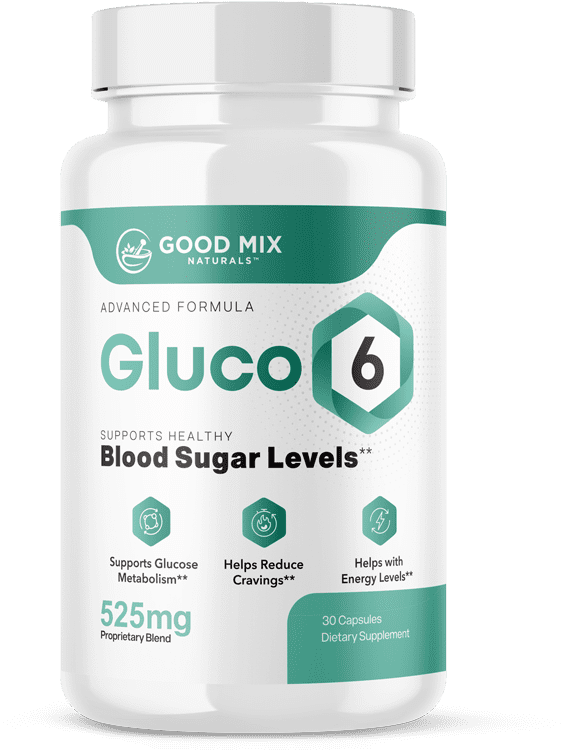
Gluco6 and GlucoBerry are two of the three products in our Top 3 Blood Sugar Support Supplements roundup, and both show up constantly in the same searches, so this page puts them side by side directly. Both are marketed as support for blood sugar levels already in the normal range, not as a treatment or replacement for diabetes medication, and neither has a clinical trial on its finished formula, only on some of the individual ingredients each one contains.
Quick take: Gluco6 (3.5/10) rates slightly higher than GlucoBerry (3.0/10) in our methodology, mainly because Gluco6’s shorter 60-day guarantee is at least clearly disclosed and its ingredient list (chromium, Gymnema sylvestre, cinnamon) has more individually-published human research behind it. GlucoBerry’s longer 180-day guarantee is a real advantage on paper, but both products share the same serious problem: vendor marketing tied to each offer has reportedly implied a supplement could reduce or replace the need for metformin or insulin. That is not something any dietary supplement can substantiate, and it is dangerous advice if anyone acts on it without talking to their doctor first.
Gluco6 vs GlucoBerry: Side-by-Side Comparison
| Gluco6 | GlucoBerry | |
|---|---|---|
| Category | Capsule supplement built around chromium, Gymnema sylvestre, and cinnamon | Capsule supplement built around maqui berry extract, chromium, biotin, and gymnema |
| Key Ingredients | Chromium, Gymnema sylvestre, cassia cinnamon, plus a broader proprietary blend | Maqui berry (delphinidins), chromium, biotin, gymnema |
| Our Rating | 3.5/10 | 3.0/10 |
| Price | $69/bottle single; $49/bottle on the 3-bottle package; $39/bottle on the 6-bottle package | $69/bottle single; $59/bottle on the 3-bottle package; $39/bottle on the 6-bottle package |
| Guarantee | 60-day money-back guarantee (bottles must be returned; buyer covers return shipping) | 180-day "empty bottle" money-back guarantee (vendor-stated) |
| Format | Capsules, one-time payment, no disclosed subscription | Capsules, one-time payment, no disclosed subscription |
| Best For | People who want the shortest path to a refund decision and value a product with several independently-studied ingredients | People who want the longest possible trial window before deciding, from a brand that discloses a real company name and address |
Which One Should You Choose?
Both products sit at the bottom of our Blood Sugar Support ranking, and the gap between them is small. The decision comes down to two practical factors rather than any proven difference in effectiveness.
Pick Gluco6 if: you want a slightly more research-backed ingredient trio (chromium, Gymnema sylvestre, and cinnamon all have independent published human research tied to blood sugar or insulin-sensitivity markers) and you’re comfortable deciding within 60 days.
Pick GlucoBerry if: the 180-day refund window matters more to you than the ingredient research, or you prefer a brand that publishes a real company name, phone number, and mailing address on its sales materials.
Neither company has published a clinical trial on its actual finished formula, and neither product should be treated as a substitute for metformin, insulin, or any other diabetes medication. If you already take a prescription for blood sugar, talk to your doctor or pharmacist before adding either one.
Gluco6: Pros and Cons
Gluco6 Pros
- Chromium, Gymnema sylvestre, and cinnamon all have independent published human research tied to blood sugar or insulin-sensitivity markers
- Manufactured, per the company, in a US-based, FDA-registered, GMP-certified facility with third-party quality inspections
- Plant-based, non-GMO, soy-free, dairy-free, vegetarian capsule formula
- One-time payment with no subscription or auto-ship enrollment
- 60-day money-back guarantee gives a meaningful window to try it
Gluco6 Cons
- Marketing tied to this offer has been used to position Gluco6 as comparable to, or better than, prescription medication like metformin. There is no independent clinical evidence supporting that for any dietary supplement, and this review does not endorse or repeat it as fact
- No clinical trial on the finished Gluco6 formula, only on some individual ingredients
- Shorter guarantee window than GlucoBerry (60 days vs. 180 days)
GlucoBerry: Pros and Cons
GlucoBerry Pros
- All four named ingredients (maqui berry, chromium, biotin, gymnema) have some independent, non-vendor human research behind them for blood sugar markers
- Simple one-capsule-per-day dosing
- Doctor-fronted brand with a real company name, phone number, and mailing address listed
- Vendor advertises a lengthy 180-day "empty bottle" money-back guarantee
- One-time payment with no disclosed subscription
GlucoBerry Cons
- The vendor’s video sales presentation has reportedly told viewers they may "no longer need metformin or insulin." That is an explicit prescription-medication-replacement claim, it is unproven, and it is dangerous advice if anyone acts on it without a doctor’s guidance
- No clinical trial on the finished GlucoBerry formula, only on some individual ingredients
- Slightly lower research depth on its lead ingredient (maqui berry) than Gluco6’s chromium/Gymnema/cinnamon trio
Read our full GlucoBerry review →
FAQ
Is Gluco6 or GlucoBerry better for blood sugar support?
Neither has a clinical trial on the finished product, so neither vendor can substantiate a claim of being "better for blood sugar" with product-level evidence. Gluco6 scores slightly higher in our methodology mainly for ingredient research depth; GlucoBerry’s advantage is its much longer refund window and a more transparent company listing.
Can I take Gluco6 or GlucoBerry with metformin or insulin?
Talk to your doctor or pharmacist before combining either product with metformin, insulin, or any other diabetes medication. Several ingredients in both formulas can lower blood sugar further, which can raise the risk of hypoglycemia when stacked with a prescription that already does the same thing. Never stop or reduce a prescription medication based on marketing claims from either product.
Can I take Gluco6 and GlucoBerry together?
We don’t recommend stacking two different blood sugar supplements without medical guidance. Both contain overlapping ingredients (chromium and gymnema appear in each), so combining them raises the dose of those compounds without any published research on that specific combination.
Do either of these products cure diabetes or prediabetes?
No. Neither Gluco6 nor GlucoBerry is intended to diagnose, treat, cure, or prevent diabetes, prediabetes, or any other disease. Both are marketed as support for blood sugar levels already within a normal range, and any marketing that suggests otherwise goes beyond what the current evidence supports.
Before you buy: the vendor sales pages linked above often present their claims more confidently than the independent research on these ingredients currently supports. Weigh what you’ve read in this comparison against each vendor’s own marketing before you check out.
Sources
Ratings, pricing, guarantees, and pros/cons above are pulled directly from our own published Gluco6 and GlucoBerry reviews, which cite the independent research and vendor sales-page details behind each score. See each full review (linked above) for the complete ingredient-evidence breakdown and sourcing.