Nervala vs Nerve Armor: Which Is Better? (2026)
Reviewed by the RovunoReviews Research Team · Reviewed against our Review Methodology · Updated September 2026
Affiliate Disclosure: This post contains affiliate links. If you purchase through them, we may earn a commission at no extra cost to you. This does not influence our ratings. See our Affiliate Disclosure page.
Medical disclaimer: This article is for informational purposes only and is not medical advice. Individual results vary. Consult a healthcare professional before starting any supplement, especially if you take other medications or have a liver, kidney, heart, or blood-sugar condition. Statements have not been evaluated by the FDA. These products are not intended to diagnose, treat, cure, or prevent any disease.
Nerve health note: Neither Nervala nor Nerve Armor is a treatment for diabetic neuropathy, peripheral neuropathy, or any other diagnosed nerve or diabetes-related condition, and neither is a substitute for prescribed medication or medical care. Persistent numbness, tingling, burning, or pain in your hands or feet should be evaluated by a doctor.
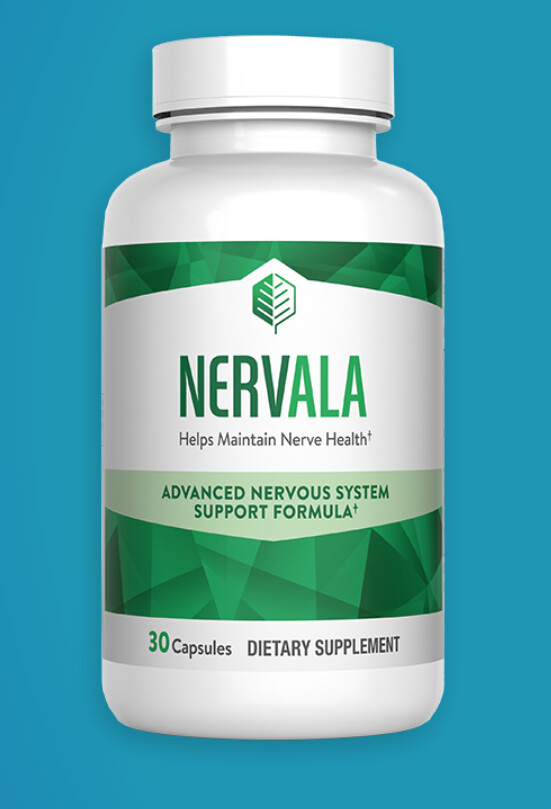
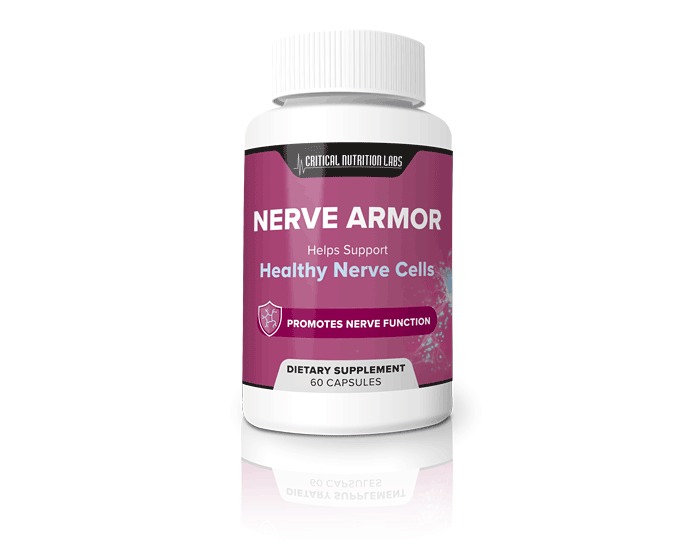
Nervala and Nerve Armor are two of the individually reviewed products in our Nerve Health Supplements: The Complete Guide, and they sit at opposite ends of our current nerve-health scores, Nervala at the top and Nerve Armor closer to the bottom. This is a direct, head to head comparison of the two: what each one actually contains, what it costs, and where the marketing outruns the science.
Quick take: Nervala (5.5/10) rates higher than Nerve Armor (4.0/10). Both share two overlapping ingredients, benfotiamine and alpha lipoic acid, but Nervala’s simple two-ingredient formula discloses its milligram amounts, while Nerve Armor’s five-ingredient formula leaves four of the five undosed and leans on a dramatized, non-medical “termite cell” marketing narrative that Nervala’s sales page does not use.
Nervala vs Nerve Armor: Side-by-Side Comparison
| Nervala | Nerve Armor | |
| Category | Nerve-health capsule supplement, marketed for general nerve wellness and support with tingling, numbness, or nerve-related discomfort | Capsule supplement marketed for nerve health support: soothing burning, tingling, and numbness sensations in the hands, legs, and feet |
| Key Ingredients | Alpha Lipoic Acid and Benfotiamine, a simple two-ingredient formula with disclosed milligram amounts | PEA (palmitoylethanolamide), Gotu Kola, Corydalis, Benfotiamine, and Alpha Lipoic Acid |
| Our Rating | 5.5/10 | 4.0/10 |
| Price | $67 for 1 bottle, $59/bottle for 3 bottles ($177 total), or $49/bottle for 6 bottles ($294 total) | $59 plus $7.99 shipping for 1 bottle, $49/bottle for 3 bottles ($147 total, free shipping), or $39/bottle for 6 bottles ($234 total, free shipping) |
| Guarantee | 365 days, per the vendor’s checkout page | 60 days, per the vendor’s guarantee page |
| Best For | Adults who want a simple, transparently-dosed two-ingredient supplement and value the longest guarantee window in this category | Adults who want a five-ingredient formula built around PEA and don’t mind a shorter guarantee window and more dramatized marketing |
Which One Should You Choose?
Nervala and Nerve Armor share two ingredients, benfotiamine and alpha lipoic acid, but Nerve Armor adds three more (PEA, gotu kola, corydalis) without disclosing their individual doses, while Nervala’s simpler two-ingredient formula is fully dosed.
Pick Nervala if: you want full dosing transparency, a longer 365 day guarantee, and don’t need PEA in the formula.
Pick Nerve Armor if: you specifically want PEA alongside the other four ingredients and are comfortable with undosed amounts for most of them and more dramatized sales-page marketing.
Neither product has an independent clinical trial on its finished formula, and neither is intended to treat diagnosed neuropathy or diabetes-related nerve damage.
Nervala: Pros and Cons
Nervala Pros
- Simple, two-ingredient formula with disclosed milligram amounts rather than a large, hidden proprietary blend
- Both alpha lipoic acid and benfotiamine have a real, decades-long research history in nerve-related contexts
- 365 day money-back guarantee, unusually long for this category
- Sold through ClickBank, giving a standardized checkout and refund process
- Sales page uses restrained, non-dramatized marketing language
Nervala Cons
- The order page provides almost no explanation of mechanism, clinical backing, or dosing beyond the two named ingredients
- No independent clinical trial on the finished Nervala formula itself, only general research on its two ingredients
- Bundling a “Blood Sugar Solution Kit” bonus on 3- and 6-bottle tiers nudges buyers toward a larger purchase
Read our full Nervala review →
Nerve Armor: Pros and Cons
Nerve Armor Pros
- Built around PEA, a compound with a genuine body of published research on nerve-related inflammation and pain, the most defensible ingredient in the formula
- Includes several other individually-studied ingredients: benfotiamine, alpha lipoic acid, gotu kola, and corydalis
- 60 day money-back guarantee, a reasonable window to judge whether it’s helping
- Sold through ClickBank, meaning a standardized checkout and refund process
- Manufactured in an FDA-registered, GMP-certified U.S. facility, per the vendor
Nerve Armor Cons
- Heavy marketing: the sales page uses an invented “termite cell” label and aggressive urgency and scarcity language, typical of direct-response funnels rather than clinical communication
- Undisclosed doses for 4 of the 5 active ingredients (only one ingredient’s amount is published)
- No independent clinical trial on the finished Nerve Armor formula itself
- Shorter guarantee window than several competitors in this category
Read our full Nerve Armor review →
FAQ
Is Nervala or Nerve Armor better for nerve discomfort?
Nervala rates higher in our review, 5.5/10 versus 4.0/10, mainly because its two-ingredient formula is fully dosed, while Nerve Armor discloses doses for only one of its five ingredients. Neither has a clinical trial on its finished formula.
Can I take Nervala and Nerve Armor together?
We don’t recommend combining these two, since they already share two ingredients, benfotiamine and alpha lipoic acid, and stacking both products risks an unknown combined dose. Talk to a doctor first if you want to try more than one nerve-support supplement.
Which one has the better refund policy?
Nervala’s guarantee window is longer, as stated on its checkout page: 365 days versus Nerve Armor’s 60 days.
Do either of these treat diabetic neuropathy?
No. Neither Nervala nor Nerve Armor is intended to diagnose, treat, cure, or prevent diabetic neuropathy or any other diagnosed nerve condition. If you have diagnosed nerve damage or persistent numbness, tingling, or burning, talk to a doctor rather than relying on a supplement alone.
Before you buy: the vendor sales pages linked above often present their claims more confidently than the independent research on these ingredients currently supports. Weigh what you’ve read in this comparison against each vendor’s own marketing before you check out.
Sources
Ratings, pricing, guarantees, and pros and cons above are pulled directly from our own published Nervala and Nerve Armor reviews, which cite the independent research and vendor sales-page details behind each score.