
Lymph Flow vs Lymph Tonic: Which Is Better? (2026)
Reviewed by the RovunoReviews Research Team · Reviewed against our Review Methodology · Updated September 2026
Affiliate Disclosure: This post contains affiliate links. If you purchase through them, we may earn a commission at no extra cost to you. This does not influence our ratings. See our Affiliate Disclosure page.
Medical disclaimer: This article is for informational purposes only and is not medical advice. Individual results vary. Consult a healthcare professional before starting any supplement, especially if you take blood thinners, have a heart, kidney, or liver condition, or are pregnant or nursing. Statements have not been evaluated by the FDA. These products are not intended to diagnose, treat, cure, or prevent any disease.
Fluid retention and lymphatic health note: Neither Lymph Flow nor Lymph Tonic is a treatment for lymphedema or any other medical condition affecting the lymphatic system, and neither is a substitute for compression therapy, manual lymphatic drainage, diuretics, or other treatment prescribed by a doctor. Sudden, severe, or one sided swelling, or swelling accompanied by shortness of breath or chest pain, needs prompt medical attention rather than a supplement.
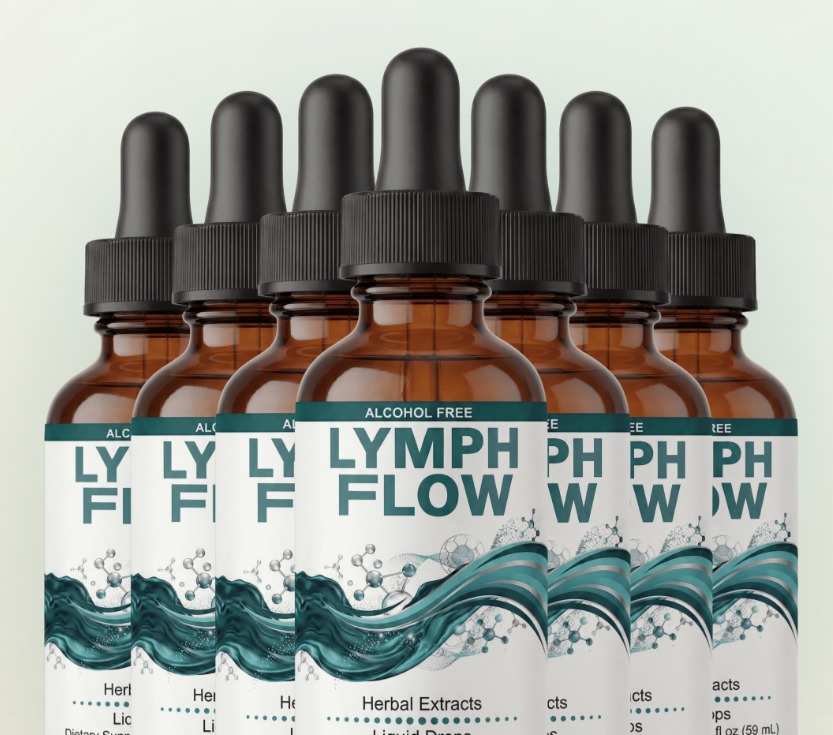
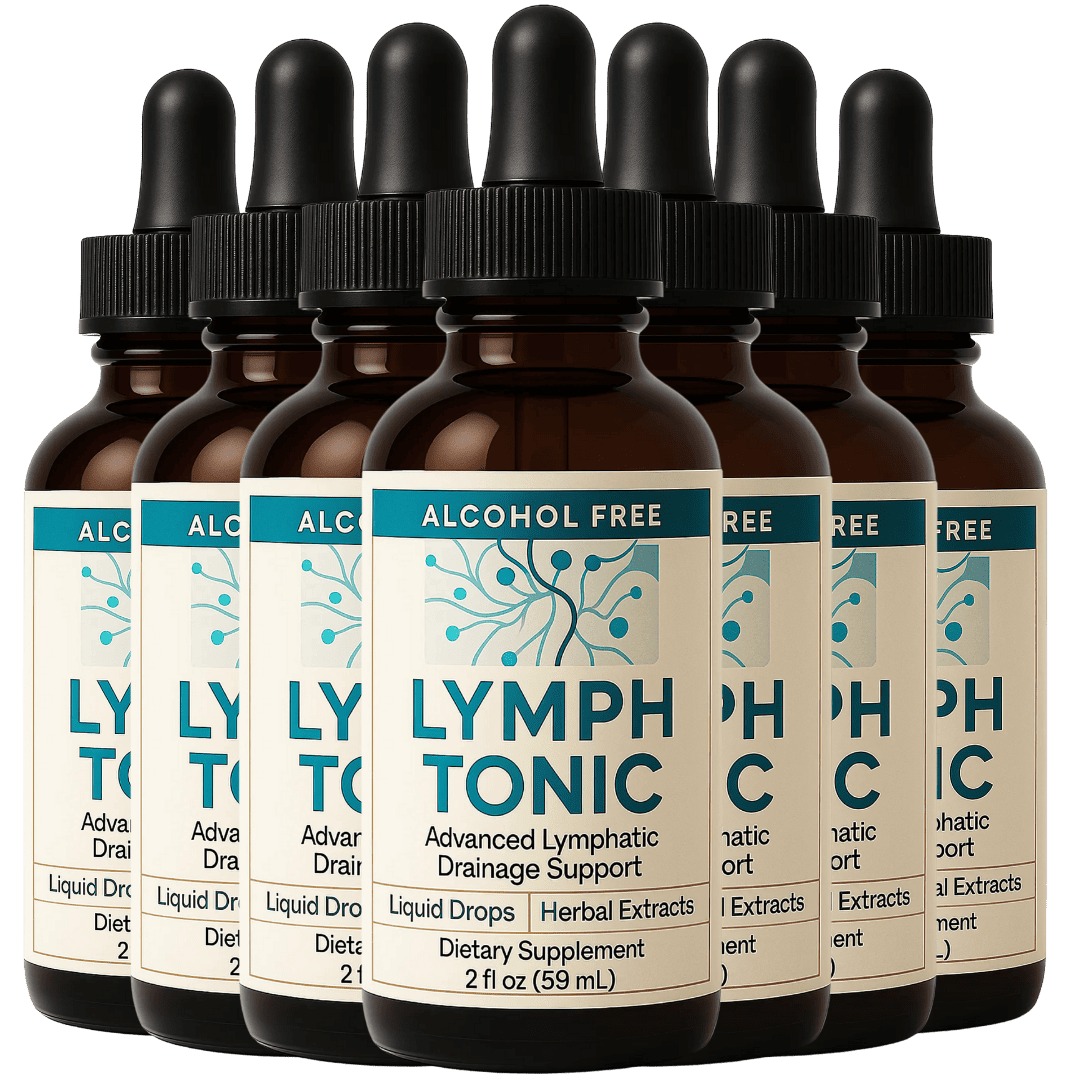
Lymph Flow and Lymph Tonic are the two individually reviewed products in our Bladder & Urinary Health Supplements: The Complete Guide, and both are liquid herbal drops marketed for lymphatic drainage and fluid balance, but they differ in how much they disclose about their ingredients. This is a direct, head to head comparison of the two: what each one actually contains, what it costs, and where the marketing outruns the science.
Quick take: Lymph Tonic (5.4/10) rates higher than Lymph Flow (4.5/10), mainly because Lymph Tonic names all six of its active botanicals directly on the label, while Lymph Flow folds its six highlighted herbs into a larger, undosed 13-ingredient proprietary blend. Both share overlapping ingredients (Boswellia serrata, curcumin, horse chestnut) and the same 60 day guarantee.
Lymph Flow vs Lymph Tonic: Side-by-Side Comparison
| Lymph Flow | Lymph Tonic | |
| Category | Liquid drop supplement, 2 droppers (600 mg blend) once daily, alcohol-free, marketed for lymphatic drainage and circulation | Liquid herbal supplement marketed for lymphatic drainage, circulation, and fluid-balance support |
| Key Ingredients | Boswellia Serrata, Curcumin, Horse Chestnut, Gotu Kola, Quercetin Phytosome, and Ginger Extract, part of a 13-ingredient proprietary blend | Boswellia Serrata Extract, Curcumin, Baicalein, Horse Chestnut Extract, Omega-3 Fatty Acids, and Nattokinase, all six named directly on the label |
| Our Rating | 4.5/10 | 5.4/10 |
| Price | $49 to $79 per bottle depending on supply size | $158 for 2 bottles ($79/bottle), $207 for 3 bottles ($69/bottle), or $294 for 6 bottles ($49/bottle), each tier compared against a $129/bottle “regular price” we could not verify |
| Guarantee | 60 days, per the vendor’s site | 60 days, per the vendor’s site |
| Best For | Adults who feel puffy, heavy-legged, or bloated from a sedentary lifestyle and want daily herbal support for circulation and fluid balance | Adults who want every active ingredient named directly on the label rather than folded into an unnamed blend |
Which One Should You Choose?
Lymph Flow and Lymph Tonic overlap on several ingredients, including Boswellia serrata, curcumin, and horse chestnut, but they disclose very different amounts of information. Lymph Tonic names all six of its ingredients on the label; Lymph Flow highlights six but folds them into a larger, undosed 13-ingredient blend.
Pick Lymph Flow if: you’re drawn to its broader 13-ingredient blend and don’t mind less per-ingredient transparency.
Pick Lymph Tonic if: you want every active ingredient named directly on the label rather than folded into an unnamed blend.
Neither product has an independent clinical trial on its finished formula, and neither is a substitute for medical treatment of a diagnosed lymphatic or circulatory condition.
Lymph Flow: Pros and Cons
Lymph Flow Pros
- Contains horse chestnut and gotu kola, two botanicals with real, if modest, independent research for circulation and leg swelling
- Alcohol-free liquid format may suit people who dislike capsules or want faster absorption
- Manufactured in the USA; company states no artificial flavors
- 60 day money-back guarantee gives a real window to test it
- Free US shipping on 3- and 6-month supplies
Lymph Flow Cons
- Proprietary blend hides individual ingredient doses: you cannot verify any single botanical meets a clinically studied amount
- 7 of the 13 advertised ingredients are not named or described anywhere on the public sales page
- Marketing leans on urgency tactics such as limited-stock claims, common scarcity-marketing patterns rather than verifiable facts
- No independent, third-party clinical trial on the finished Lymph Flow formula
Read our full Lymph Flow review →
Lymph Tonic: Pros and Cons
Lymph Tonic Pros
- All six active botanicals are named on the label, rather than hidden behind a single unnamed blend
- Alcohol-free liquid format may suit people who dislike capsules or avoid alcohol-based tinctures
- Contains horse chestnut and nattokinase, ingredients with some direct relevance to circulatory and vascular support in existing research
- 60 day money-back guarantee, a genuinely useful safety net if the product doesn’t work for you
- Sold through ClickBank, meaning a standardized checkout and refund process
Lymph Tonic Cons
- Even with all six ingredients named, individual milligram doses are not disclosed, so you can’t confirm a clinically meaningful amount of any one
- No clinical trial on the finished product; only unrelated studies on some individual ingredients are implied, not cited with sources
- Inflated reference pricing: every package is discounted against a $129/bottle “regular price” we could not verify was ever actually charged
- No independent clinical trial on the finished Lymph Tonic formula itself
Read our full Lymph Tonic review →
FAQ
Is Lymph Flow or Lymph Tonic better for fluid retention and swelling?
Lymph Tonic rates slightly higher in our review, mainly because it names all six of its ingredients on the label, while Lymph Flow folds six highlighted herbs into a larger, undosed 13-ingredient blend. Neither has a clinical trial on its finished formula.
Can I take Lymph Flow and Lymph Tonic together?
We don’t recommend combining these two, since they already share overlapping ingredients, including Boswellia serrata, curcumin, and horse chestnut, and stacking both products risks an unknown combined dose. Talk to a doctor first, especially if you take blood thinners.
Which one has the better refund policy?
Both offer the same 60 day money-back guarantee, so the refund window is not a deciding factor between them.
Do either of these treat lymphedema or a diagnosed circulatory condition?
No. Neither Lymph Flow nor Lymph Tonic is intended to diagnose, treat, cure, or prevent lymphedema or any other diagnosed condition affecting the lymphatic or circulatory system. If you have persistent or severe swelling, talk to a doctor rather than relying on a supplement alone.
Before you buy: the vendor sales pages linked above often present their claims more confidently than the independent research on these ingredients currently supports. Weigh what you’ve read in this comparison against each vendor’s own marketing before you check out.
Sources
Ratings, pricing, guarantees, and pros and cons above are pulled directly from our own published Lymph Flow and Lymph Tonic reviews, which cite the independent research and vendor sales-page details behind each score.