
TheyaVue vs VisiFlora: Which Is Better? (2026)
Reviewed by the RovunoReviews Research Team · Reviewed against our Review Methodology · Updated September 2026
Affiliate Disclosure: This post contains affiliate links. If you purchase through them, we may earn a commission at no extra cost to you. This does not influence our ratings. See our Affiliate Disclosure page.
Medical disclaimer: This article is for informational purposes only and is not medical advice. Talk to a doctor before starting any supplement, especially if you take other medications or have a liver, kidney, or heart condition. Statements have not been evaluated by the FDA. This product is not intended to diagnose, treat, cure, or prevent any disease.
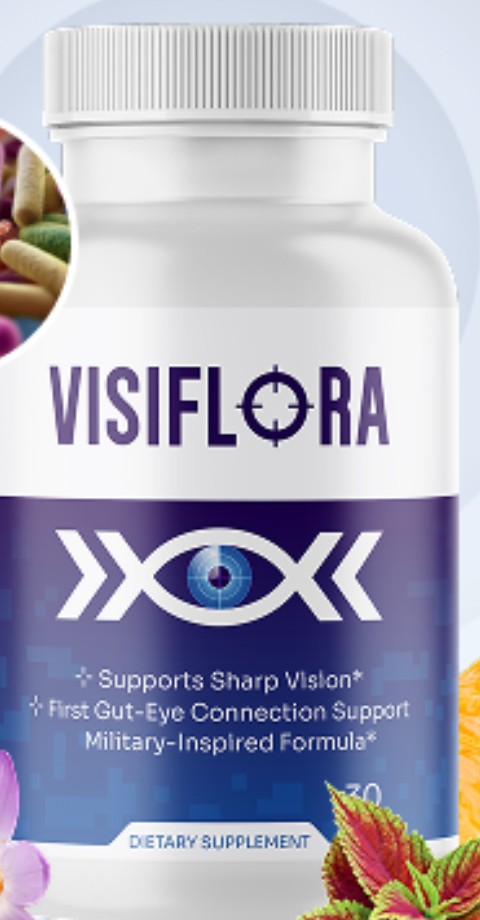
TheyaVue and VisiFlora both appear on our Vision Supplements Guide, and both lean heavily on long, mostly-undosed ingredient lists rather than a fully disclosed label. This is a direct, head-to-head comparison of the two: what each product actually contains, what it costs, and which one fits your situation better.
Quick take: TheyaVue (5.5/10) rates a bit higher than VisiFlora (5.0/10) because it builds its formula around lutein and zeaxanthin, the same two carotenoids used in the NIH’s real AREDS2 eye-health trial, and cites more specific, findable research. VisiFlora counters with a longer 22-ingredient list and an established seller behind it, but its central “gut-eye” mechanism isn’t backed by independent research. Neither discloses dosages for most of its ingredients, so this comparison comes down to which unverified formula’s underlying story you find more credible.
TheyaVue vs VisiFlora: Side-by-Side Comparison
| TheyaVue | VisiFlora | |
|---|---|---|
| Category | Capsule supplement built around AREDS2-aligned carotenoids, mostly undosed | Capsule supplement built around a 22-ingredient blend, mostly undosed |
| Key Ingredients | Lutein and zeaxanthin among 24 named ingredients (only 8 of the 24 are described on the sales page) | Lutein, zeaxanthin, zinc, vitamin A, and saffron among 22 named ingredients (only zinc’s dose is disclosed) |
| Our Rating | 5.5/10 | 5.0/10 |
| Price | $49 per bottle | $79 per bottle |
| Guarantee | 60-day money-back guarantee | 60-day money-back guarantee |
| Best For | People who want a carotenoid formula that cites specific, checkable AREDS2-adjacent research | People drawn to a longer ingredient list from an established multi-product seller |
Which One Should You Choose?
If you want a formula built around the same two carotenoids used in the actual NIH AREDS2 trial, and you’d rather read research that’s specific enough to check yourself, TheyaVue is the more credible pick, even though most of its 24 claimed ingredients still aren’t dosed or even described on the sales page.
If you’re comfortable with an established seller and a broader ingredient list, VisiFlora is the alternative, but its core “gut-eye” mechanism is closer to a marketing narrative than settled science, and it costs more per bottle.
Neither product treats or reverses macular degeneration or any other diagnosed eye condition. See an eye doctor for diagnosis and treatment, and use either supplement, if at all, as a general nutritional add-on rather than a substitute for care.
TheyaVue: Pros and Cons
TheyaVue Pros
- Built around lutein and zeaxanthin, the same two carotenoids used in the NIH’s real AREDS2 eye-health trial
- Cites specific, findable ingredient research instead of an unverifiable named study
- 60-day money-back guarantee gives a reasonable window to judge whether it’s worth continuing
TheyaVue Cons
- No disclosed dosages for any of the 24 claimed ingredients, including the core carotenoids
- Only 8 of the claimed 24 ingredients are even named and described on the sales page; the rest are unspecified
Read our full TheyaVue review →
VisiFlora: Pros and Cons
VisiFlora Pros
- Active, self-serve ClickBank offer from an established multi-product agency, not a single-product shell site
- Includes several ingredients (lutein, zeaxanthin, zinc, vitamin A, saffron) with real, independently studied eye-health research behind them
- Vegan, non-GMO, stimulant-free capsules with no prescription required
VisiFlora Cons
- The core mechanism connecting the whole formula is not backed by independent, peer-reviewed research we could find
- No dosages are disclosed for almost all 22 ingredients, only zinc’s amount is listed
Read our full VisiFlora review →
FAQ
Is TheyaVue or VisiFlora better for eye health?
Neither has a clinical trial on its finished formula. TheyaVue’s lutein-and-zeaxanthin approach lines up more directly with the NIH’s AREDS2 research, which gives it a modest evidence edge, but neither is a substitute for an eye exam.
Which has more disclosed dosages?
Neither discloses dosages for most of its ingredients. TheyaVue names only 8 of its 24 claimed ingredients, while VisiFlora discloses a dose for just one of its 22, zinc.
Can I take TheyaVue and VisiFlora together?
We wouldn’t recommend combining two eye-health formulas with overlapping ingredients like lutein and zeaxanthin without checking with a doctor first, to avoid unknowingly exceeding a reasonable intake.
Do TheyaVue and VisiFlora have the same guarantee?
Yes. Both offer a 60-day money-back guarantee.
Sources
Ratings, pricing, guarantees, and pros/cons above are pulled directly from our own published TheyaVue and VisiFlora reviews, which cite the independent research and vendor sales-page details behind each score. See each full review (linked above) for the complete ingredient-evidence breakdown and sourcing.
Before you buy: the vendor sales pages linked above often present their claims more confidently than the independent research on these ingredients currently supports. Weigh what you’ve read in this comparison against each vendor’s own marketing before you check out.